Major Parts of Hydropower Plant
Hydropower plants are complex engineering systems designed to convert the energy of moving water into electricity. Although different hydroelectric facilities vary in size and design, most modern plants contain several core components working together in a coordinated process. Understanding these components helps explain how electricity travels from rivers and reservoirs into homes, industries, and cities.
Overview of a Hydropower Plant
A hydel plant operates by controlling water flow and using its energy to rotate turbines connected to electrical generators.
The major components include:
- Dam
- Reservoir
- Intake system
- Penstock
- Turbines
- Generators
- Transformers
- Transmission grid
Each part has a specific role in the energy conversion process.
1. Dam
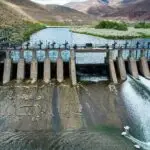
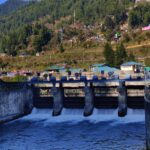
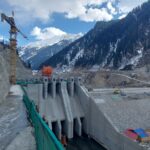
The dam is one of the most visible parts of a hydropower system.
Its primary functions are:
- Storing water
- Creating water pressure
- Controlling river flow
- Forming a reservoir
By holding water at a higher elevation, the dam creates potential energy. The greater the height difference, the more energy the water can produce.
Dams are typically constructed using:
- Concrete
- Earthfill materials
- Rockfill structures
The design depends on geography, water volume, and engineering requirements.
2. Reservoir
The reservoir is the large body of water stored behind the dam.
It acts as:
- An energy storage system
- A water supply buffer
- A flow regulation system
Reservoirs allow hydropower plants to maintain stable electricity generation even when river flow changes seasonally.
Some reservoirs also support:
- Irrigation
- Flood control
- Drinking water supply
- Recreation activities
3. Intake Structure
The intake controls how water enters the hydropower system.
It contains:
- Gates
- Screens
- Flow control mechanisms
- Screens prevent debris such as wood, leaves, and rocks from entering the turbines and causing damage.
- Operators can adjust intake gates to regulate water flow based on electricity demand.
4. Penstock
The penstock is a large pipe or tunnel that carries water from the reservoir to the turbines.
As water moves downward through the penstock:
- Pressure increases
- Water velocity rises
- Kinetic energy builds
- Penstocks are designed to withstand extremely high pressure and large water volumes.
5. Turbines
Turbines convert water energy into mechanical energy.
When fast-moving water strikes turbine blades, the turbine spins rapidly.
Common turbine types include:
- Francis turbines (reaction type
- Kaplan turbines (propeller-type adjustable)
- Pelton turbines (impulse type for high head)
Different turbine designs are used depending on:
- Water pressure
- Flow rate
- Dam height
- Turbines are among the most critical components in electricity generation efficiency.
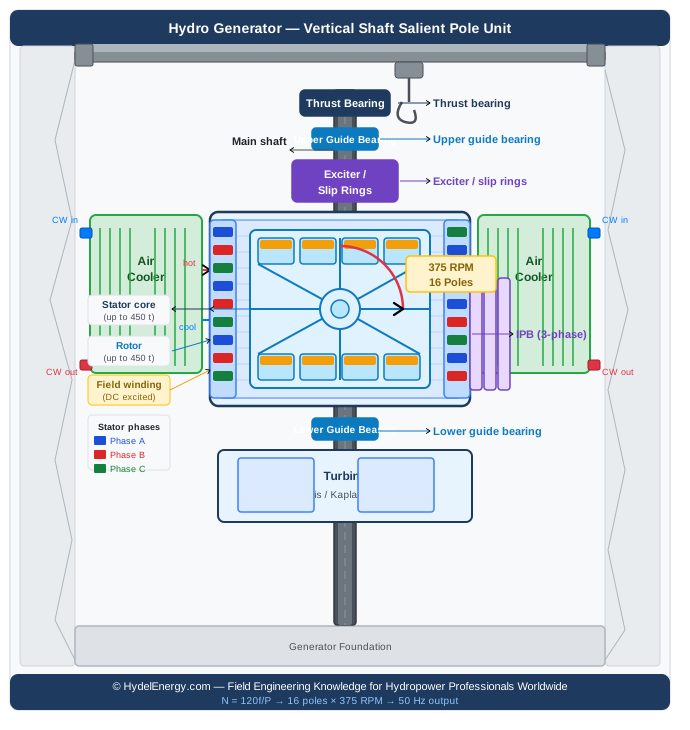
6. Generators
Generators are connected directly to turbines.
As turbines rotate, the generator converts mechanical rotation into electrical energy using electromagnetic induction.
Inside the generator:
- Magnets (or electromagnets) rotate around copper coils
- Magnetic fields create electric current
- Electricity is produced continuously
- This is the stage where water energy officially becomes electrical power.
7. Transformers
Electricity generated inside power plants is usually produced at moderate voltage levels.
Transformers increase the voltage so electricity can travel efficiently across long distances through transmission lines.
High-voltage transmission reduces:
- Energy losses
- Heat generation
- Transmission inefficiency
- Without transformers, modern electrical grids would be far less efficient.
8. Transmission Grid
After voltage conversion, electricity enters the power grid.
The grid distributes power to:
- Cities
- Industries
- Businesses
- Homes
Modern grids constantly balance:
- Electricity generation
- Demand fluctuations
- Grid stability
- Hydropower plants are especially valuable because they can quickly adjust output when electricity demand changes.
How All Components Work Together
The complete hydropower process looks like this:
Reservoir → Intake → Penstock → Turbine → Generator → Transformer → Power Grid
Each component contributes to converting the stored energy of water into usable electricity.
Final Thoughts
Hydel plants or Hydropower plants combine civil engineering, mechanical systems, and electrical technology into one highly coordinated energy system.
From massive dams to precision generators, every component plays a vital role in delivering reliable renewable electricity.
Understanding these systems provides a strong foundation for exploring advanced hydropower topics such as turbines, grid integration, and future innovations in renewable energy.