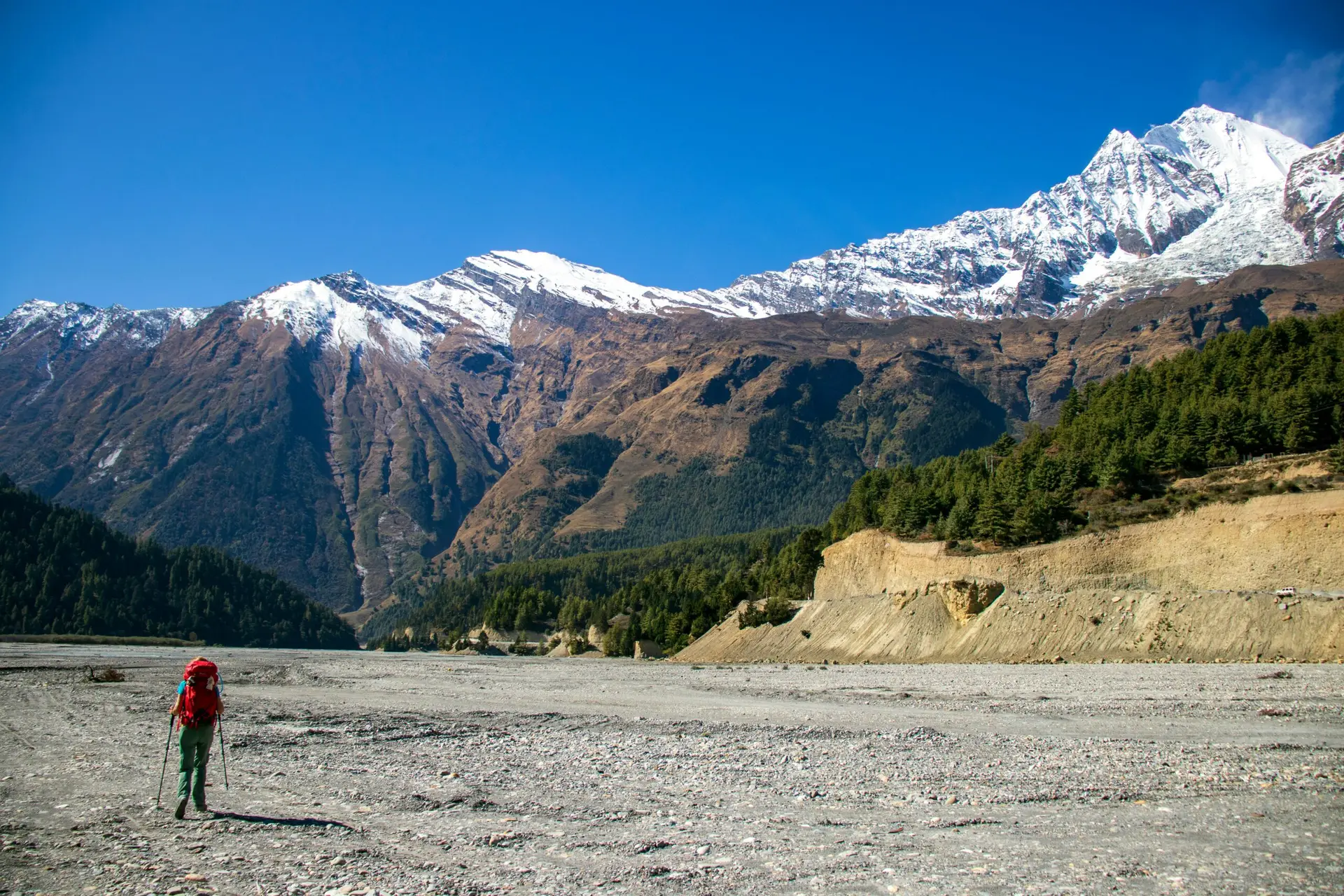
Hydel (Hydropower) Power in Nepal — The Battery of South Asia
Nepal aspires to become the hydel battery of South Asia — a country positioning its enormous hydropower potential as a regional energy export engine for India and Bangladesh. With an assessed hydro potential of 83,000MW and only 4% currently harnessed, Nepal represents one of the most significant untapped hydel resources anywhere in the Himalayan region.
This guide covers Nepal’s hydel power sector from an engineering perspective — current capacity, major river systems, export ambitions and the practical realities of developing hydropower in some of the most challenging mountain terrain on earth.
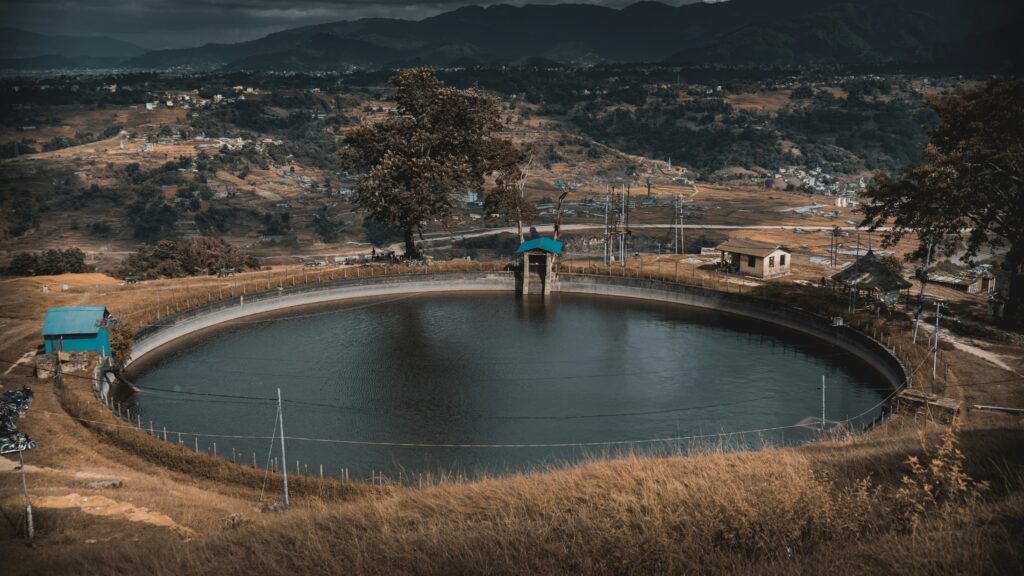
Hydropower in Nepal — Current Status
Nepal’s installed electricity generation capacity reached 3,983MW as of mid-January 2026, according to the Independent Power Producers’ Association Nepal’s latest Energy Statistics report — up from 3,878MW the previous July. Despite this growth, Nepal has harnessed just under 5% of its estimated 83,000MW of total hydropower potential, still a strikingly low development ratio compared to neighbouring countries. The Department of Electricity Development has also issued generation licences for 264 projects totalling over 12,300MW, giving a sense of the pipeline still working its way toward construction.
This gap represents both the scale of Nepal’s remaining opportunity and the scale of the engineering and infrastructure challenge required to unlock it. Nepal’s hydel resource is concentrated in steep Himalayan river systems descending rapidly from high altitude glaciers and snowfields toward the Terai plains bordering India — creating exceptional head conditions for run of river hydel development across the country.
Major River Systems and Hydel Projects
Nepal’s hydel potential is distributed across three major river basins, each draining a portion of the Himalayan range into the Ganges system.
The Koshi River System
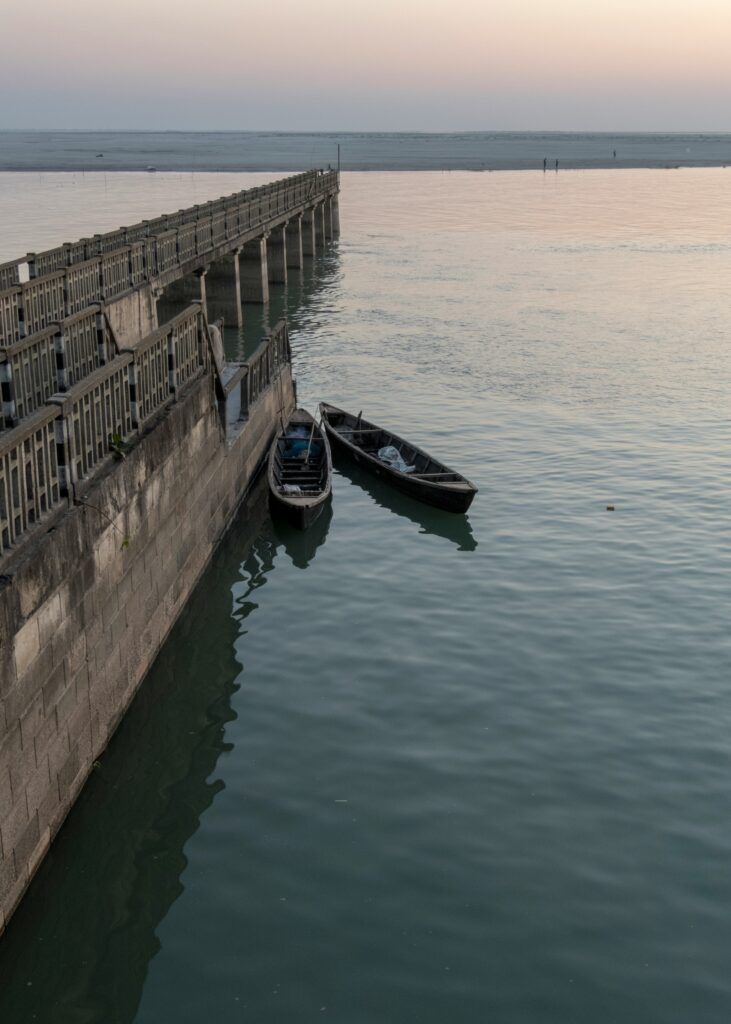
Koshi Barrage, a flood control sluice built in the late 1950’s, over Koshi River.Koshi Barrage, Bhardaha, Nepal
The Koshi river system in eastern Nepal carries some of the country’s largest hydel potential, fed by glaciers and snowmelt from the eastern Himalayas including the Everest region. Major hydel projects developed and under development along this system benefit from substantial year-round flow combined with steep gradients ideal for run of river generation.
The Gandaki River System
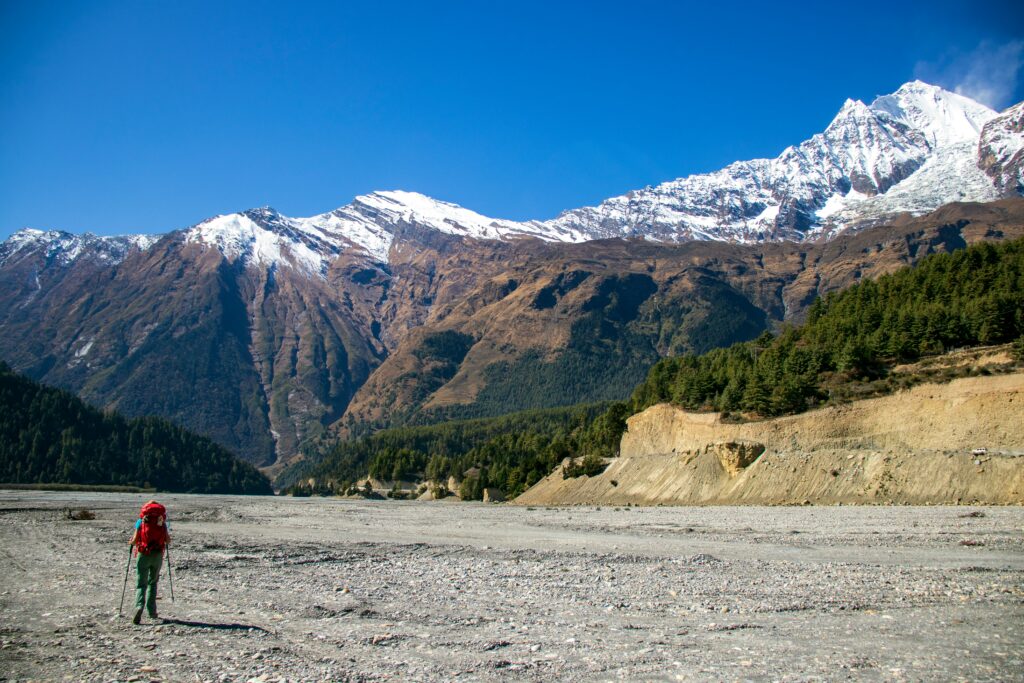
Kali Gandaki River, Nepal
The Gandaki river system in central Nepal includes some of the country’s most significant operating and under-construction hydel projects, descending from the Annapurna and Manaslu massifs. This system has attracted substantial international development financing due to favourable site conditions and proximity to load centres and export transmission corridors toward India.
The Trishuli Sub-Basin
Within the Gandaki system, the Trishuli river corridor in Rasuwa and Nuwakot districts hosts one of Nepal’s densest clusters of hydel infrastructure — anchored by the pioneering 24MW Trishuli Hydropower Station (1967) and the 14.1MW Devighat plant downstream. More recent development has added the 60MW Upper Trishuli-3A, 37MW Upper Trishuli-3B, and 15.6MW Middle Trishuli Ganga projects, with the larger 216MW Upper Trishuli-1 project targeted for completion around December 2026. The corridor’s steep gradient and consistent glacial-fed flow make it one of the most heavily developed run-of-river stretches in the country.
The Karnali River System
The Karnali river system in western Nepal represents Nepal’s single largest untapped hydel resource — carrying the country’s highest sustained flow volumes through remote, mountainous terrain with limited existing infrastructure. Several of Nepal’s largest proposed but unbuilt hydel projects, including significant storage and run of river schemes, are located on this system.
The Export Ambition — 28.5GW by 2035
Nepal’s export performance has accelerated sharply. In fiscal year 2025–26 (ending mid-July 2026), Nepal exported 3.877 billion units of electricity to India and Bangladesh, earning a record NPR 29.32 billion in revenue — a 68% jump over the prior year — and posting a net electricity trade surplus of NPR 18.76 billion, compared to just NPR 4.54 billion the year before. Nepal now exports upward of 1,000MW to India during the monsoon season, with approved cross-border export capacity of 1,850MW, and has been selling a fixed 40MW annually to Bangladesh since November 2024.
A January 2024 long-term power trade agreement has India committed to purchasing up to 10,000MW from Nepal over the next decade — a substantially firmer commitment than existed when this section was last written.
Engineering Challenges of Himalayan Hydel Development
Developing hydel power in Nepal presents engineering challenges among the most demanding anywhere in the global hydel sector. The country’s terrain is defined by extremely steep gradients, active seismic zones along the Himalayan collision boundary, and remote project sites with limited road access — conditions that directly parallel the challenges faced on major hydel projects in Pakistan’s northern areas and India’s Himalayan states.
Headrace tunnels for Nepali hydel projects frequently traverse highly fractured and geologically unpredictable rock formations, requiring extensive site investigation and flexible construction methodologies to manage unexpected ground conditions.
Glacial lake outburst floods — a growing risk as Himalayan glaciers retreat under changing climate conditions — pose a specific and increasing hazard to hydel infrastructure located downstream of glacial lakes. The 2015 Gorkha earthquake demonstrated the seismic vulnerability of hydel infrastructure in the region directly, causing damage to several operating and under-construction hydel facilities and underscoring the critical importance of seismic resilient design for any Himalayan hydel project.
Monsoon-driven seasonal flow variation also creates significant generation variability — Nepali hydel plants typically generate at a fraction of installed capacity during dry winter months when river flows are lowest, directly affecting both domestic supply reliability and export commitments.
Field Engineer’s Perspective on Nepal’s Hydel Potential
Nepal’s hydel development challenges mirror almost precisely the conditions encountered across Pakistan’s northern hydel projects — steep Himalayan terrain, seismic risk, remote site access and significant infrastructure sequencing constraints. The engineering principles that apply to commissioning a generator at altitude in Gilgit-Baltistan apply equally to a project site in the Nepali Himalayas — the same air gap measurement procedures, the same protection coordination logic, the same synchronization requirements.
What differs is scale of opportunity relative to current development. Nepal having harnessed only 4% of an 83,000MW resource represents one of the largest remaining engineering opportunities in the global hydel sector. Realizing Nepal’s export ambitions will require not just generation capacity but matching investment in transmission infrastructure capable of reliably moving large power blocks across international borders — a parallel engineering challenge to the transmission corridors required for Pakistan’s own northern hydel projects to reach southern load centers.
Countries that successfully convert Himalayan hydel potential into reliable generation and export revenue will be those that invest as seriously in commissioning rigor and long-term asset maintenance as they do in initial construction.
Conclusion — Nepal’s Hydel Future
Nepal’s position as an aspiring hydel battery for South Asia is grounded in genuine resource abundance — 83,000MW of assessed potential is among the largest unrealized hydel resources in the world relative to country size. The 28.5GW target by 2035 and growing export relationship with India represent serious institutional commitment to converting that potential into both domestic energy security and regional revenue.
Yet the engineering challenges — seismic risk, remote access, seasonal flow variation and the sheer scale of infrastructure investment required — demand the same rigor and patience that defines successful hydel development anywhere in the Himalayan region.
For engineers, developers and policymakers working across South Asia’s hydel sector, Nepal’s experience offers a clear lesson — the resource exists, the demand exists, and the engineering discipline to connect them responsibly is what will determine whether Nepal truly becomes the region’s battery.
For more field tested hydel engineering knowledge explore our guides on Hydel Power in India, What is Hydel Power and Is Hydel Energy Renewable.