What Does Hydel Mean? Definition, Origin and Engineering Usage
The Hydel Meaning is simple but important – hydel is a contracted form If you work in the power sector across South Asia or Southeast Asia, you have heard the word “hydel” used daily on project sites, in government documents and engineering reports. But what does hydel actually mean, where did it come from, and why is it becoming the defining term for hydropower development across Asia? This guide answers all of that — written by a practicing field engineer with 15 years inside hydel projects.
What Does Hydel Mean?
Hydel is a contracted form of the term “Hydraulic Electric” — combining “hydr” from the Greek word for water, and “el” shortened from electrical. In practical usage, hydel refers to anything related to hydroelectric power generation — a hydel project, a hydel station, a hydel unit. The Oxford English Dictionary defines hydel as an adjective meaning “of or relating to hydroelectric power,” noting its primary usage in South Asian English contexts including Pakistan, India, Nepal and Bangladesh.
Hydel vs Hydropower vs Hydroelectric — What’s The Difference?
These three terms are often used interchangeably but they carry distinct meanings depending on context and region. Hydropower refers to the power itself — the electricity generated from moving water. Hydroelectric is the international engineering adjective used formally in global contexts — hydroelectric dam, hydroelectric plant. Hydel is the South and Southeast Asian technical standard — used in official government documents, regulatory filings and on project sites daily. In 15 years of working inside hydel projects across Pakistan, I have never once heard a site engineer say hydroelectric on the job. It is always hydel.
| Term | Region | Common Usage |
| Hydel | South & Southeast Asia | Hydel project, hydel station, hydel unit |
| Hydropower | Global | The power generated from water |
| Hydroelectric | International formal | Hydroelectric dam, hydroelectric plant |
| Hydro | North America, Europe | Informal shortening in casual technical use |
Hydel in Official Use — Governments and Regulators
Hydel is not informal slang — it is embedded in official government and regulatory language across South Asia. In Pakistan, WAPDA — the Water and Power Development Authority — uses hydel in all official documentation covering generation, transmission and hydel royalty payments to provinces. NEPRA, the National Electric Power Regulatory Authority, references hydel generation formally in all licensing and regulatory filings. Pakistan’s federal budget documents refer specifically to hydel royalty paid to Khyber Pakhtunkhwa and Punjab provinces — revenue generated from hydroelectric generation within their territories. In India, the Central Electricity Authority publishes hydel generation statistics separately from thermal and nuclear in all official power sector reports. State Electricity Boards across India use hydel routinely in planning documents and generation reports.
Hydel Power in Southeast Asia — A Term Going Global
While hydel originated as South Asian engineering terminology, the rapid expansion of hydropower development across Southeast Asia is pushing the term into new territory. Laos — known as the Battery of Southeast Asia — is developing dozens of run of river hydel projects along the Mekong River and its tributaries, with many projects designed and supervised by South Asian engineering teams familiar with hydel terminology. Indonesia, with over 75,000 MW of untapped hydropower potential, is attracting South Asian engineering expertise into its developing hydel sector. Malaysia’s massive Sarawak hydel projects including the Bakun and Murum dams represent some of the largest hydel developments in Asia. Vietnam operates over 80 hydel plants and continues expanding aggressively. As South Asian engineers, contractors and consultants carry their technical vocabulary into these markets, hydel is following — becoming the working term for hydropower development across the broader Asian region.
Hydel in Engineering Practice — Field Terminology
On any active hydel project site across South Asia, the word hydroelectric simply does not exist in daily conversation. Engineers, contractors, operators and technicians all speak hydel. Understanding this field terminology is essential for anyone working in or entering the sector. Here are the most common hydel terms used daily on project sites:
- Hydel project — the complete hydroelectric development including civil, mechanical and electrical works
- Hydel station — the powerhouse facility where generation units are installed
- Hydel unit — individual generating unit consisting of turbine and generator
- Hydel potential — assessable power generation capacity of a river or basin
- Hydel royalty — revenue paid to provinces or states for hydroelectric generation within their territory
- Run of river hydel — plant with no significant water storage, generating from natural river flow
- Storage hydel — plant with reservoir for water storage and controlled release
- Hydel commissioning — process of testing and certifying hydel units for commercial operation
Why Hydel Matters in Today’s Energy Context
The global energy transition is accelerating demand for clean renewable generation — and hydel power sits at the centre of that transition across Asia. Unlike solar and wind which are intermittent, hydel provides firm baseload power — generating consistently 24 hours a day, 7 days a week regardless of weather conditions. This reliability makes hydel uniquely valuable in national grids struggling with stability and load management. Pakistan’s hydel potential is estimated at over 60,000 MW — of which less than 10,000 MW is currently developed. India is targeting 500 GW of renewable capacity by 2030 with hydel forming a critical component. Nepal and Bhutan are positioning themselves as hydel exporters to India and Bangladesh. Laos already exports hydel power to Thailand, Vietnam and Cambodia. As Asia builds the clean energy infrastructure of the next century, hydel is not just a word — it is the engineering discipline defining how an entire continent powers its future.
Hydel Energy — Field Perspective
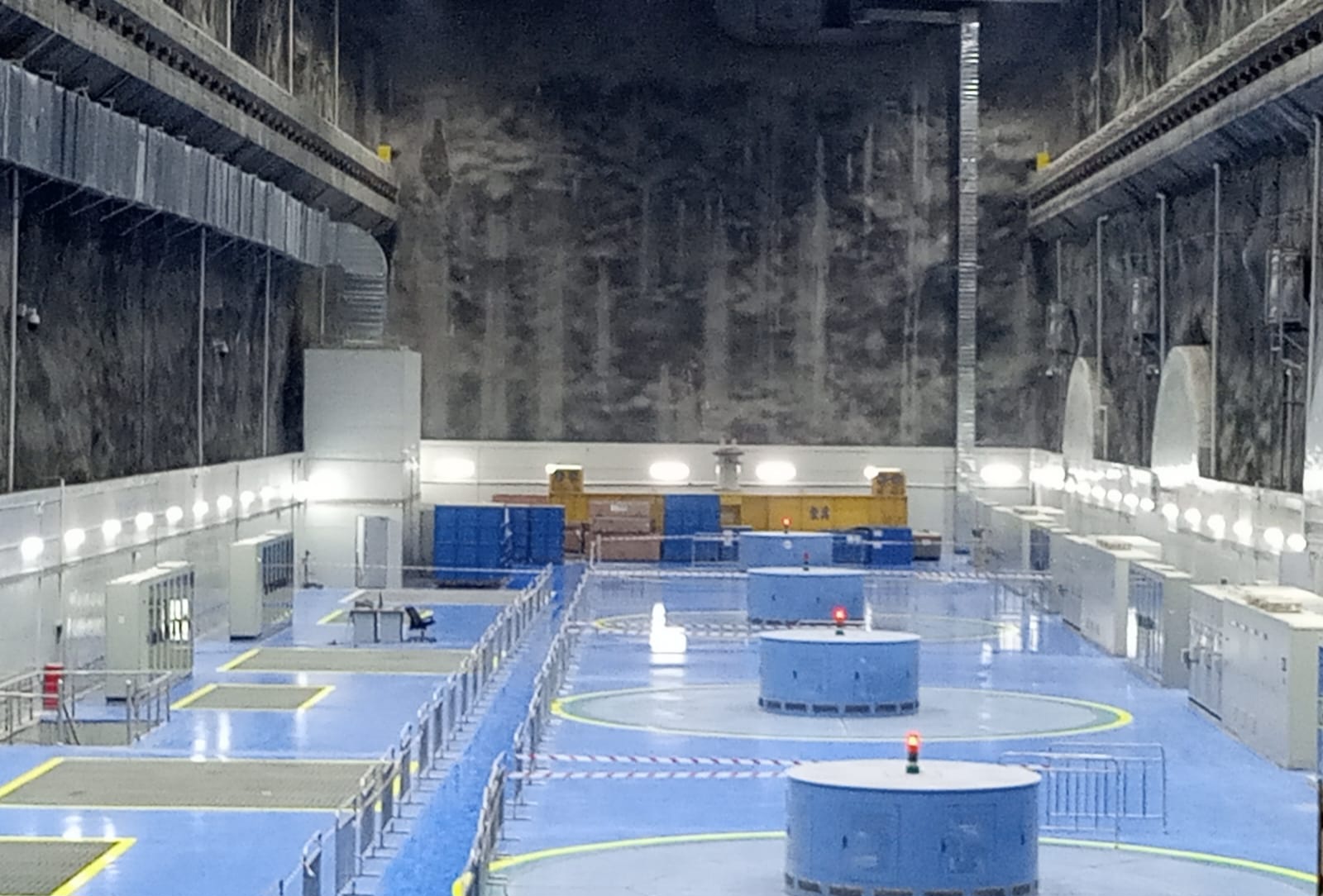
I have spent 15 years standing inside hydel projects — from early civil works through mechanical installation to electrical commissioning and commercial operation. I have stood in underground powerhouse caverns during first synchronization of generating units. I have seen what fails during commissioning, what saves time on site and what the textbooks never tell you. Every project I have worked on has been called a hydel project by everyone involved — engineers, contractors, clients and regulators alike. Hydel is not just a regional word. It is the language of a discipline — practical, field tested and built on real engineering. That is what this platform is about. Field tested hydel knowledge for engineers and professionals worldwide.
Explore our technical articles on hydel commissioning, grid integration, turbine technology and power development across Asia.