Hydel Energy (Hydropower) Advantages and Disadvantages
Hydel energy also known as hydel power is one of the oldest and most reliable sources of electricity on the planet. But like every energy source, it comes with both strengths and limitations. Having spent 15 years working inside hydel projects — from construction through commissioning to commercial operation — I have seen these advantages and disadvantages first-hand, not from a textbook but from the field. This guide gives you the complete picture of hydel energy advantages and disadvantages from an engineering perspective.
What is Hydel Energy — A Quick Overview
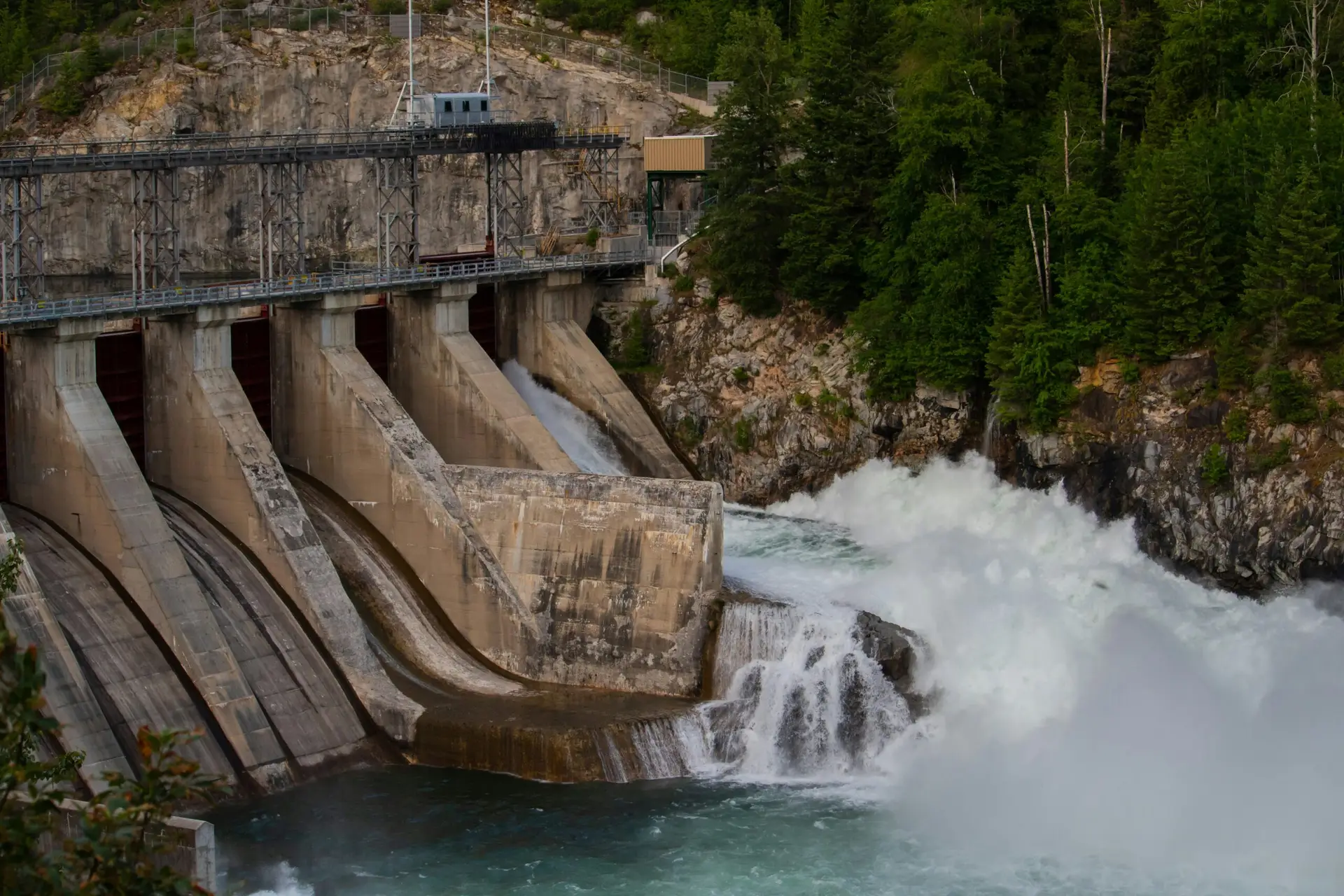
Hydel Energy also called hydel Power or Hydropower — also known as hydroelectric power — generates electricity by harnessing the energy of moving water. Water flows from a higher elevation through penstocks, spins a turbine connected to a generator, and produces electricity. The term hydel is the standard engineering shorthand used across South and Southeast Asia for all hydroelectric generation — hydel project, hydel station, hydel unit. For a complete explanation of what hydel means and its origins, read our dedicated guide: What Does Hydel Mean.
Advantages of Hydel Energy (Hydropower)
Hydel Energy offers significant advantages that make it the preferred renewable energy source across Asia, Africa and South America. Here are the key advantages from an engineering and operational perspective: Hydel power offers significant advantages that make it the preferred renewable energy source across Asia, Africa and South America. Here are the key advantages from an engineering and operational perspective:
1. Clean and Renewable Energy Source
Hydel Energy (Hydropower) produces zero direct carbon emissions during operation. No fuel is burned, no exhaust is produced and no waste is generated at the powerhouse level. Water flowing through the turbine returns to the river downstream — the fuel is continuously replenished by rainfall and snowmelt. This makes hydel power genuinely renewable and clean in a way that solar and wind cannot fully match — because hydel provides firm baseload power 24 hours a day regardless of weather conditions.
2. Long Operational Life
Hydel power plants have the longest operational lifespan of any power generation technology. A well maintained hydel station operates for 50 to 100 years — sometimes longer. The Hoover Dam in the United States has been generating power since 1936. The Tarbela Dam in Pakistan has operated since 1976 and continues generating today. Civil structures — dams, tunnels, penstocks — built with proper engineering last generations. Mechanical and electrical equipment — turbines, generators, transformers — can be refurbished or replaced while the civil infrastructure continues operating. This longevity makes hydel power one of the best long term infrastructure investments a country can make.
3. Firm Baseload Power — 24/7 Reliability
Unlike solar which stops generating at night and wind which depends on weather conditions, hydel power generates electricity continuously. A storage hydel plant with a reservoir can generate power on demand — day or night, summer or winter. This firmness makes hydel uniquely valuable in national grids. Grid operators can dispatch hydel generation precisely when needed — during morning and evening peak demand periods — something solar and wind cannot do reliably. In Pakistan, hydel generation provides critical peaking power during summer months when demand is highest. In Laos, hydel exports firm baseload power to Thailand and Vietnam around the clock. No other renewable energy source matches this reliability.
4. Low Operating Costs
Once a hydel plant is built and commissioned, operating costs are remarkably low compared to thermal generation. There is no fuel to purchase, no fuel supply chain to manage and no fuel price volatility to absorb. The primary ongoing costs are staff salaries, routine maintenance and occasional equipment overhaul. A well run hydel station of 100MW can operate with a relatively small permanent team of engineers and technicians. Over a 50 year operational life, the cost per kilowatt hour generated by a hydel plant is consistently lower than coal, gas or nuclear generation.
This low operating cost directly benefits consumers through lower electricity tariffs — particularly important in developing economies across South Asia and Southeast Asia where energy affordability is critical.
5. Water Storage and Flood Control
Storage hydel projects — those with reservoirs — provide benefits far beyond electricity generation. Reservoirs store water during monsoon and snowmelt seasons, releasing it in a controlled manner throughout the year. This controlled release serves multiple purposes simultaneously. Irrigation water is supplied to agricultural areas during dry seasons, directly supporting food security. Flood peaks are absorbed by the reservoir, protecting downstream communities from devastating floods. Drinking water supply is stabilized for cities and towns downstream.
In Pakistan, Tarbela and Mangla reservoirs provide irrigation water to millions of acres of agricultural land while simultaneously generating hydel power. In China, the Three Gorges Dam protects millions of people from Yangtze River flooding while generating 22,500 MW of hydel power. No other energy technology delivers this range of economic and social benefits simultaneously.
6. Grid Stability and Frequency Regulation
From a grid engineering perspective hydel power provides something thermal and renewable sources struggle to match — fast response frequency regulation. Hydel generating units can go from standstill to full load in minutes. In emergency grid situations — sudden loss of a large thermal unit or unexpected demand spike — hydel units respond almost instantly by opening governor valves and increasing water flow through the turbine. This rapid response capability makes hydel plants the preferred frequency regulation resource in any national grid.
In my 15 years of field experience I have witnessed hydel units save grid stability during critical moments that thermal plants simply could not respond to fast enough. As grids across Asia integrate more solar and wind — which introduce frequency instability — the value of hydel for grid regulation increases significantly. Engineers and grid planners globally recognise this as one of the most underappreciated advantages of hydel power.
Disadvantages of Hydel Energy (Hydropower)
Hydel power is not without serious challenges. An honest engineering assessment must acknowledge the disadvantages alongside the advantages. Here are the key disadvantages of hydel power from field experience:
1. High Initial Construction Cost
Hydel projects require massive upfront capital investment. Civil works — dams, tunnels, penstocks, powerhouse caverns — are among the most expensive engineering structures humans build. A large storage hydel project can cost billions of dollars and take 8 to 15 years from planning to first generation. This high capital cost creates financing challenges particularly for developing countries. International financing from World Bank, Asian Development Bank and bilateral lenders is often required. Project delays — extremely common in hydel construction due to geological surprises, weather and contractual issues — escalate costs further. In my field experience cost overruns of 20 to 40 percent above original estimates are common on major hydel projects. This financial risk must be carefully managed from day one of project development.
2. Environmental and Ecological Impact
Large hydel energy (Hydropower) projects — particularly storage projects with reservoirs — create significant environmental impacts that cannot be ignored. River ecosystems are fundamentally altered when a dam is constructed. Fish migration routes are blocked, disrupting breeding cycles of species that depend on seasonal river movement. Reservoir flooding submerges forests, agricultural land and wildlife habitats permanently. Water temperature and sediment flow downstream changes significantly, affecting aquatic ecosystems for hundreds of kilometres below the dam.
Methane emissions from decomposing vegetation in tropical reservoirs are a growing environmental concern. Run of river hydel energy (Hydropower) projects — those without significant storage — have considerably lower environmental impact than storage projects. Fish friendly turbine designs are being developed and deployed to reduce fish mortality through turbines. Environmental mitigation measures including minimum flow requirements, fish ladders and habitat restoration programs are now standard requirements on modern hydel projects globally. However the fundamental ecological transformation caused by large storage hydel remains a genuine and significant disadvantage that engineers, developers and governments must address seriously.
3. Population Displacement and Social Impact
Large reservoir projects displace communities living in areas that will be flooded. This is one of the most serious social consequences of storage hydel development. The Three Gorges Dam in China displaced over one million people. The Tarbela Dam in Pakistan displaced approximately 96,000 people when constructed in the 1970s. Resettlement of displaced communities is complex, expensive and often inadequately handled. Loss of ancestral lands, disruption of livelihoods, cultural heritage submerged under reservoirs — these are real human costs that communities bear for generations. Modern hydel project development requires comprehensive resettlement action plans, fair compensation, livelihood restoration programs and ongoing community engagement.
International financing institutions like the World Bank now require rigorous social impact assessments before approving hydel project financing. Despite improved standards, population displacement remains one of the most challenging and contentious aspects of large hydel development globally.
4. Dependence on Hydrology and Climate
Hydel power generation is entirely dependent on water availability — which is determined by rainfall, snowmelt and river hydrology. Drought years significantly reduce generation. In Pakistan, hydel generation drops substantially during dry winters when river flows are low. In East Africa, prolonged droughts have caused serious power shortages in countries heavily dependent on hydel generation. Climate change is making this vulnerability more acute. Changing precipitation patterns, accelerating glacier melt and increasing drought frequency are altering the hydrology that hydel projects were designed around.
A project designed for a specific river flow regime may underperform as climate patterns shift over its 50 to 100 year operational life. Sedimentation of reservoirs — where silt carried by rivers gradually fills storage capacity — reduces generation potential over decades. Tarbela reservoir has lost significant storage capacity to sedimentation since commissioning in 1976. This hydrological dependence and climate vulnerability is a fundamental disadvantage that energy planners must account for when building national generation portfolios.
5. Geological and Construction Risks
Hydel projects are built in some of the most geologically complex and remote environments on earth. Mountain rivers — where most hydel potential exists — run through active geological zones with earthquake risk, unstable slopes, complex rock formations and extreme weather conditions. Underground powerhouse caverns and headrace tunnels encounter unexpected geological conditions that delay construction and escalate costs significantly. Tunnel boring through fractured rock, managing underground water ingress, stabilizing cavern walls in weak rock — these are engineering challenges that even the most experienced contractors face on every major hydel project.
I have personally witnessed tunnel collapses, unexpected aquifer encounters and slope failures on hydel construction sites that caused months of delay and significant cost overruns. Dam safety is a paramount concern — a dam failure is a catastrophic event with potentially devastating downstream consequences. Rigorous dam safety monitoring, regular inspections and emergency action plans are non negotiable requirements for every hydel project. These geological and construction risks make hydel development inherently complex and challenging compared to solar or wind installations.
| Advantages | Disadvantages |
| Clean zero emission generation | High upfront construction cost |
| 50-100 year operational lifespan | Environmental and ecological impact |
| Firm baseload power 24/7 | Population displacement |
| Low operating costs | Dependent on hydrology and climate |
| Water storage and flood control | Geological and construction risks |
| Grid stability and frequency regulation | Long development timeline 8-15 years |
Field Engineer’s Perspective on Hydel Power
After 15 years working inside hydel projects across Pakistan I have seen both sides of this equation personally. I have stood in underground powerhouse caverns during first synchronization — witnessing the moment a hydel unit generates its first kilowatt. That moment represents years of engineering, construction and commissioning work coming together. It is genuinely extraordinary. I have also seen the challenges — tunnel collapses during construction, communities displaced by reservoirs, generation dropping during drought years, environmental impacts on river ecosystems.
The honest truth about hydel power advantages and disadvantages is that neither list tells the complete story alone. Hydel power is not perfect. No energy source is. But for countries across South Asia and Southeast Asia with significant river resources — Pakistan, India, Nepal, Bhutan, Laos, Vietnam, Indonesia — hydel power remains the most reliable, lowest cost and most strategically valuable renewable energy source available. The key is developing it responsibly — with proper engineering, genuine environmental mitigation and fair treatment of affected communities. Done right, hydel power serves nations for generations. Done wrong, it creates problems that outlast the engineers who built it.
Conclusion — Is Hydel Energy Worth It?
The hydel power advantages and disadvantages presented in this guide reflect real engineering reality — not theoretical analysis. The advantages are substantial and proven over decades of operation globally. Clean renewable generation, long operational life, firm baseload power, low operating costs, water storage benefits and grid stability make hydel power uniquely valuable in any national energy portfolio. The disadvantages are equally real — high construction costs, environmental impact, population displacement, hydrological dependence and geological risks require serious attention and mitigation on every project.
The balance between these advantages and disadvantages ultimately depends on project design, site conditions, environmental management and how affected communities are treated. A well designed run of river hydel project in a suitable location with proper environmental safeguards delivers enormous long term benefits with manageable impacts. A poorly planned large storage project in a sensitive ecosystem with inadequate community consultation creates problems for generations.
Hydel power is not inherently good or bad — it is a powerful engineering tool that delivers results proportional to the quality of engineering, planning and management applied to it. For engineers, developers, investors and policymakers working in the power sector across Asia — understanding both sides of this equation is essential.
For more field tested knowledge on hydel power — explore our complete guide on What Does Hydel Mean and What is Hydropower.