• Hydroelectric in Canada — Inside the World’s Second-Largest Producer

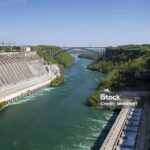
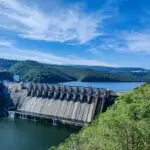
    Canada is one of the great hydroelectric nations of the world — the second-largest producer of hydel (hydroelectric) electricity on earth, behind only China. Around 60% of all electricity generated in Canada comes from hydropower, a proportion few large industrialised nations come close to matching. Yet Canada’s hydel story is fundamentally different from that of the emerging hydropower nations of South Asia or Africa. Where those countries are racing to develop untapped potential, Canada has already built an enormous, mature hydropower system over more than a century — and now faces a different set of questions:

    how to modernise ageing assets, how to manage the commercial legacies of decades-old contracts, and how to keep expanding in an era where the age of the mega-dam may be drawing to a close. This guide looks inside the engineering, the scale and the evolving future of hydropower in Canada.

  • - -

    Upcoming Hydel (Hydropower) Projects in Pakistan — The Complete 2026 Pipeline

    Pakistan holds one of the largest untapped hydel (hydropower) resources in the world — an estimated 60,000MW of gross potential, of which only around 10,635MW has been developed to date. That means roughly 82% of the country’s economically viable hydel potential remains unharnessed. Yet Pakistan is now in the middle of its most significant hydel construction phase in decades, with several mega projects under simultaneous development that will collectively double the nation’s hydropower capacity by 2030. This guide covers the major upcoming and under-construction hydel projects in Pakistan — their capacity, location, status, financing and the engineering and infrastructure realities that shape their timelines — building on our earlier overview of Pakistan’s broader hydel sector.

  • - -

    AIS vs GIS Switchyard in Hydropower Plants — A Field Engineer’s Guide

    The switchyard is where a hydropower plant connects to the outside world — the electrical interface between the generator and the transmission grid. Every megawatt a hydel plant produces passes through its switchyard on the way to the grid. The choice between an Air Insulated Switchyard (AIS) and a Gas Insulated Switchyard (GIS) is one of the most consequential decisions in hydel plant electrical design — affecting cost, footprint, reliability, maintenance and suitability for the specific site conditions that define hydropower projects. This guide compares AIS and GIS switchyards specifically in the context of hydropower plants — where remote mountain locations, high altitude, underground powerhouses and challenging environments make this choice fundamentally different from a typical urban substation decision.

  • -

    Hydropower Commissioning — The Complete Field Engineer’s Guide to Testing, COD and Documentation

    Hydropower commissioning is the most consequential phase of any hydel project. It is where years of civil construction, mechanical installation and electrical work are integrated and tested as a complete system for the first time — and where the consequences of inadequate preparation, poor documentation or incorrect sequencing are measured not in rework costs but in millions of dollars of penalty, damaged equipment worth years of project budget and careers on the line.

    This guide covers hydropower commissioning from field experience — not textbook theory — including two real incidents where commissioning failures caused rotor damage and main transformer burnout, delayed Commercial Operation Date and triggered full documentary audits. The paper trail saved the engineers. It always does.

  • -

    How Do Hydropower Plants Work- A Field Engineer’s Complete Guide

    How do hydropower plants work? The textbook answer involves water, turbines and generators. The real answer — from someone who has stood inside operating powerhouses, witnessed commissioning of generating units and spent 15 years working on hydel projects across Pakistan — is significantly more interesting. This complete guide explains exactly how hydropower plants work from the water source to the national grid, with field engineer perspective that no textbook provides.

  • -

    What is Hydropower

    Hydropower is one of the oldest and most reliable sources of renewable energy in human history. From ancient water wheels used for grinding grain to massive modern hydroelectric dams powering entire cities, water has played a major role in energy production for centuries.Today, hydropower generates electricity by converting the energy of moving water into mechanical and electrical energy. It is considered a renewable energy source because it relies on the natural water cycle driven by the sun. As the world searches for cleaner and more sustainable energy solutions, hydropower continues to remain a critical part of global electricity generation.