Skip to content
Hydel Energy

Hydel Energy

  • Home
  • Hydropower
  • Renewable Energy
  • Research and Analysis
  • Hydropower Calculation Tools
  • Connect with Hydel Energy
  • About
Hydel Energy
Hydel Energy
  • Global Energy - Research and Analysis

    What “Water to Wire” Actually Includes — And What It Doesn’t

    ByHydel Engineer

    Every small hydro equipment supplier uses the same phrase. Water to wire. Single source of supply. Complete solution. One vendor even puts it as taking care of everything so you don’t have to. Read those pages as a field engineer and you come away with an impression: buy the package, and you have a power plant.

    Read More What “Water to Wire” Actually Includes — And What It Doesn’tContinue

  • itaipu dam
    Research and Analysis

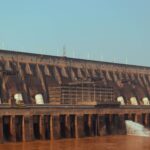
    Itaipu Dam — Inside the World’s Most Powerful Binational Hydropower Plant

    ByHydel Engineer

    The most distinctive engineering challenge at Itaipu has nothing to do with the dam or the reservoir. It’s the fact that Brazil and Paraguay run their national grids at different electrical frequencies — Brazil at 60 Hz, Paraguay at 50 Hz.

    A hydropower plant generates electricity at whatever frequency matches the grid it feeds. Itaipu had to feed two grids running at two different frequencies, from a single dam, at the same time.

    Read More Itaipu Dam — Inside the World’s Most Powerful Binational Hydropower PlantContinue

  • Ongoing Hydel (Hydropower) Projects in Nepal
    Global Energy - Hydropower - Research and Analysis

    Ongoing Hydel (Hydropower) Projects in Nepal — Upper Tamakoshi, Upper Karnali and the Road Ahead

    ByHydel Engineer

    Nepal’s hydel (hydropower) sector is entering a new phase. With Upper Trishuli-1 already covered in earlier coverage of the country’s project pipeline, two other developments now define where Nepal’s generation capacity is headed: Upper Tamakoshi, the country’s largest operating plant, and Upper Karnali, its largest project under construction. Together with Upper Trishuli-1, these three complete a working picture of Nepal’s hydel buildout — from commissioned asset, to resilience-tested operator, to a project still working through financial closure.

    Read More Ongoing Hydel (Hydropower) Projects in Nepal — Upper Tamakoshi, Upper Karnali and the Road AheadContinue

  • AIS vs GIS Switchyard in Hydropower Plants — A Field Engineer’s Guide
    Research and Analysis - Global Energy - Hydropower

    AIS vs GIS Switchyard in Hydropower Plants — A Field Engineer’s Guide

    ByHydel Engineer

    The switchyard is where a hydropower plant connects to the outside world — the electrical interface between the generator and the transmission grid. Every megawatt a hydel plant produces passes through its switchyard on the way to the grid. The choice between an Air Insulated Switchyard (AIS) and a Gas Insulated Switchyard (GIS) is one of the most consequential decisions in hydel plant electrical design — affecting cost, footprint, reliability, maintenance and suitability for the specific site conditions that define hydropower projects. This guide compares AIS and GIS switchyards specifically in the context of hydropower plants — where remote mountain locations, high altitude, underground powerhouses and challenging environments make this choice fundamentally different from a typical urban substation decision.

    Read More AIS vs GIS Switchyard in Hydropower Plants — A Field Engineer’s GuideContinue

  • Research and Analysis - Hydropower

    Hydropower Feasibility Study — The Complete Practical Engineering Guide

    ByHydel Engineer

    A hydropower feasibility study is the most consequential document in any hydel project’s lifetime. It determines whether a project gets built or abandoned, whether financing is secured or denied, whether decades of development effort translate into megawatts on the grid or files in an archive. Yet despite this importance, practical guidance on how hydropower feasibility studies are actually conducted — what data is collected, what software is used, what each engineering discipline contributes and what the output documents actually contain — is almost entirely absent from the internet.

    Most feasibility work was conducted decades ago by international consulting firms whose institutional knowledge never reached public documentation. This guide fills that gap — covering the complete hydropower feasibility study process from pre-feasibility through detailed design, written from field engineering experience.

    Read More Hydropower Feasibility Study — The Complete Practical Engineering GuideContinue

  • Hydropower - Research and Analysis

    Hydropower Commissioning — The Complete Field Engineer’s Guide to Testing, COD and Documentation

    ByHydel Engineer

    Hydropower commissioning is the most consequential phase of any hydel project. It is where years of civil construction, mechanical installation and electrical work are integrated and tested as a complete system for the first time — and where the consequences of inadequate preparation, poor documentation or incorrect sequencing are measured not in rework costs but in millions of dollars of penalty, damaged equipment worth years of project budget and careers on the line.

    This guide covers hydropower commissioning from field experience — not textbook theory — including two real incidents where commissioning failures caused rotor damage and main transformer burnout, delayed Commercial Operation Date and triggered full documentary audits. The paper trail saved the engineers. It always does.

    Read More Hydropower Commissioning — The Complete Field Engineer’s Guide to Testing, COD and DocumentationContinue

  • hydropower penstock
    Hydropower - Research and Analysis

    How Do Hydropower Plants Work- A Field Engineer’s Complete Guide

    ByHydel Engineer

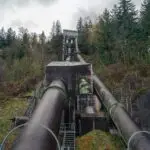
    How do hydropower plants work? The textbook answer involves water, turbines and generators. The real answer — from someone who has stood inside operating powerhouses, witnessed commissioning of generating units and spent 15 years working on hydel projects across Pakistan — is significantly more interesting. This complete guide explains exactly how hydropower plants work from the water source to the national grid, with field engineer perspective that no textbook provides.

    Read More How Do Hydropower Plants Work- A Field Engineer’s Complete GuideContinue

  • what is hydropower
    Research and Analysis - Hydropower

    What is Hydropower

    ByHydel Engineer

    Hydropower is one of the oldest and most reliable sources of renewable energy in human history. From ancient water wheels used for grinding grain to massive modern hydroelectric dams powering entire cities, water has played a major role in energy production for centuries.Today, hydropower generates electricity by converting the energy of moving water into mechanical and electrical energy. It is considered a renewable energy source because it relies on the natural water cycle driven by the sun. As the world searches for cleaner and more sustainable energy solutions, hydropower continues to remain a critical part of global electricity generation.

    Read More What is HydropowerContinue

© 2026 Hydel Energy . All rights reserved

  • Home
  • Hydropower
  • Renewable Energy
  • Research and Analysis
  • Hydropower Calculation Tools
  • Connect with Hydel Energy
  • About